MAMI – Multi-Approach to Child Malnutrition
Budget
70.000 €
Duration
09.2025 - 09.2026
Sdg
Zero Hunger

Area
Rural Economy
Context:
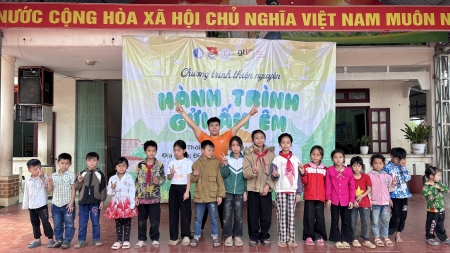
The actions of this project will focus on two communes in the Xin Man District: Pa Vay Su and Che La- as part of the MAMI project. These communes were selected by GTV together with the local authorities (particularly the local Department of Education and Health Center), based on indicators such as: the high percentage of children under five considered underweight, the high percentage of children under five considered stunted in height, and the number of children born from early marriages (especially among the Hmong ethnic population). The two target communes are home to a total of 5,923 people, according to 2023 data. Of the 764 children under five living in these communes, 20% are underweight, while 34% are stunted in height (2023 District Health Center data). There are 16 villages in these communes, all equipped with kindergartens, serving 544 children aged 12 months to 5 years, and employing 35 staff members including teachers and administrators, as well as 16 cooks (2023 data provided by the District Department of Education).
Actions:
The overall goal of the project is to contribute to combating malnutrition among children under five in the Xin Man District, northern Vietnam. In particular, the project will target schools and families of malnourished children as its beneficiaries.
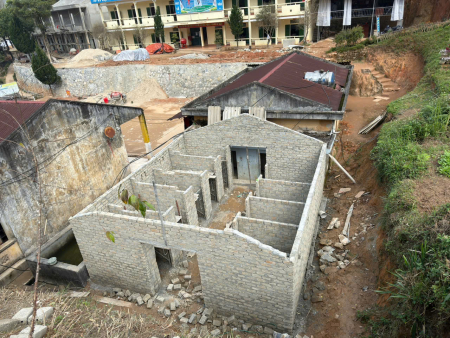
Improving nutrition in schools contributes to raising students’ living standards and also represents an important tool against school dropout. In the most vulnerable families, financial difficulties can contribute to school dropout, early marriages, and child labor. In addition, some school facilities in Xin Man are substandard, lacking adequate equipment and showing evident structural problems. One of the project’s goals is therefore to support quality education by improving the services offered: providing healthy and nutritious school meals, meals that children would not otherwise have access to, can be a strong incentive for school attendance. . Moreover, ensuring access to nutritious meals also contributes to improving students’ concentration and academic performance. Teacher and school cook training, along with the provision of seeds, plants, and equipment for food production and processing, will allow for a greater and higher-quality supply of food to students.
Furthermore, the project aims to support the improved nutrition of children identified as malnourished by the local Health Center, through family training on the basics of proper child nutrition and concrete support for their production of nutritious food. Finally, one of the goals will focus on raising awareness among the general population in the target communes about the principles and good practices of healthy eating.
The specific goals of the project are therefore:
OS1. Increase the quantity and quality of food provided by local kindergartens to their students
0S2. Improve the well-being and nutrition of identified malnourished children, also supporting their families
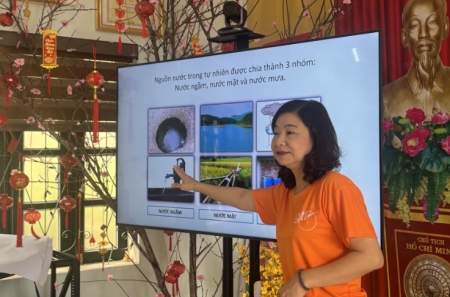
OS3. Train parents, teachers, and school cooks on the basics of proper child nutrition
OS4. Raise awareness among the local population on the principles of proper child nutrition
OS5: Gestione, monitoraggio e valutazione e comunicazione del progetto
Expected Results:
R1.1: 16 kindergartens have the facilities (adequate kitchens, school gardens) to provide school meals to children
R1.2: 100 families of malnourished children have the resources to improve their children’s nutrition (through gardens, seeds, livestock, animal feed, nutritional supplements)
R2.1: 37 teachers and cooks increase their knowledge of healthy nutrition (2 days of training)
R2.2: 544 parents increase their knowledge of healthy nutrition (16 days of training)
R3.1: 5,900 inhabitants reached by awareness-raising activities on healthy nutrition (at least 100 posters)
R3.2: 300 participants sensitized through events
R4.1: Project coordinated and managed by GTV over 18 months
R4.2: 1 monitoring mission organized
R4.3: Project communicated through 1 web page, at least 5 online articles, 1 newsletter (150 copies)
Funding bodies:

Regione Autonoma Trentino-Alto Adige/Südtirol