Intervention sectors
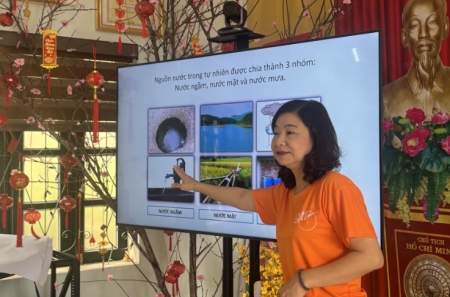
WaterWater represents an element of primary importance, both from the point of view that food and sanitation and as a fundamental resource for the economy. GTV, through its projects, is committed to ensuring access and quality of water to population and to spread tools to encourage the use of this resource for agriculture, livestock and domestic use.
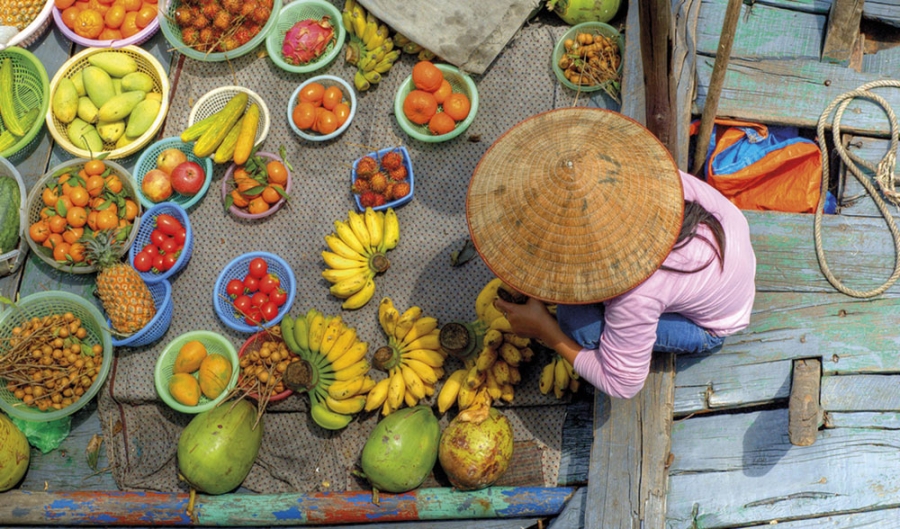
AlimentationOne of the major emergencies in poor communities is constituted by malnutrition, which is often associated with diseases related to lack of vitamins and nutrients. Is important to educate the population about the characteristics of a proper diet, while remaining compatible with the environment and food traditions, and seeks to provide, through micro-credit, the ability to initiate activities of agriculture, horticulture and animal husbandry.
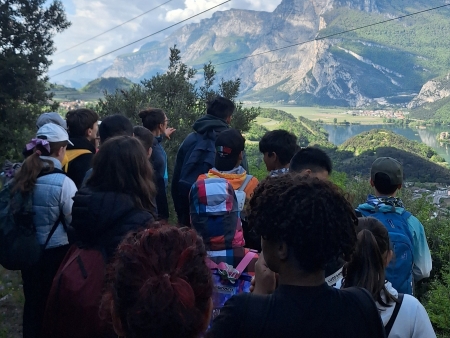
EnvironmentProtection of environment is essential to preserve biodiversity and to ensure the local population a source of livelihood, through the collection and consumption of food products such as herbs and fruit that, with the processing and insertion into a sales circuit, can also become a source of income. The environmental become an important resource also within the creation of sustainable and responsible tourism circuits.
Rural EconomyIn the majority of countries in which GTV operates economy is predominantly subsistence-based agriculture. This makes it a key area on which it is important to base development strategies. The lack of technical expertise and appropriate tools make the sector very weak but with enormous potential for growth.
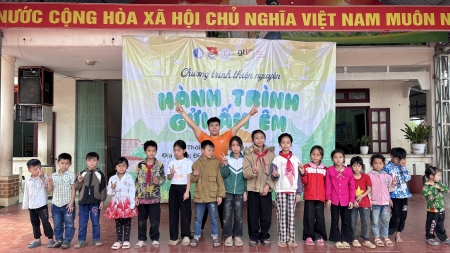
EducationFor ensuring project sustainability, they must be accompanied by training courses. Population must be able to derive benefits and contribute actively and independently to development and to maintenance of the results obtained at the end of the project implementation. A fundamental role in the formation and cross is covered by the school, the first vehicle of information and habits for children and their families.
Hygiene and HealthIs now known that most of the illnesses are related to improper hygiene behaviors and/or lack of adequate facilities. Often inform people about the risks caused by simple bad habits, such as not washing hands, can make a difference in preventing many diseases.