Luca and Laura’s Mission: Rediscovering Atauro Island, East Timor
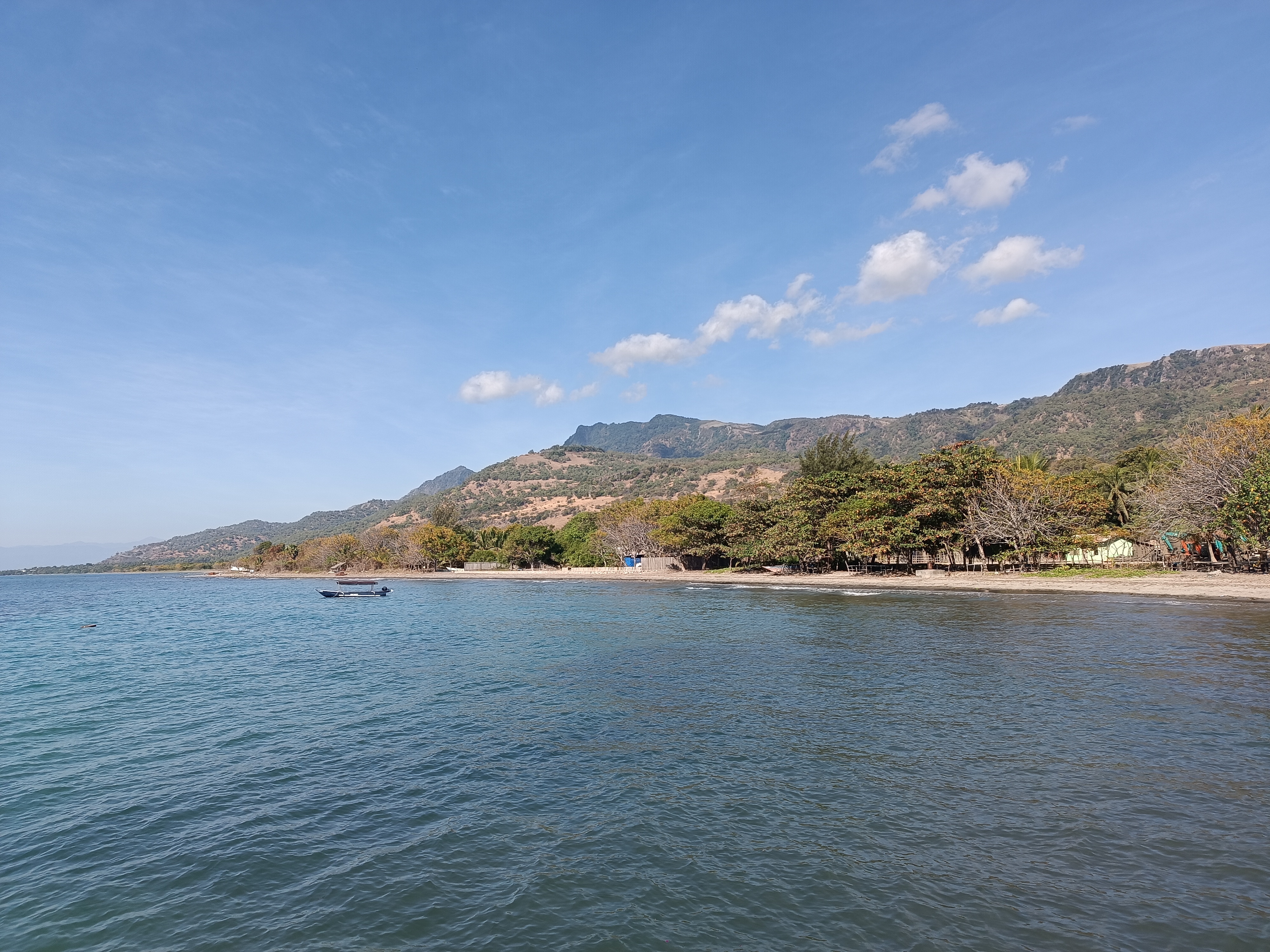
Dic 10 2025The ferry cuts through the waves as the island of Atauro gradually grows larger before us. More than ten years have passed since the last time we were here, always as GTV volunteers monitoring the ongoing projects at the time, and we don’t know what to expect. Dili, the capital of East Timor, has changed a bit: most of the streets are paved, clean, and orderly, the waterfront is a long park frequented by young people, and overall, safety has greatly improved. On the other hand, it remains a low-rise city, with only four buildings taller than four stories, very slow-paced, connected by the ever-present and colorful public minibuses called “microlets,” with a few nice museums that recall the country’s troubled history. We wonder what changes have reached Atauro, historically remote and isolated, both in times of peace and of war.
We are here both to visit the island and to monitor the projects that GTV has resumed over the past two years.
Compared to our first visit, Father Chico and Father Luis are no longer here, but other missionaries from the Piarist congregation have taken their place.
We can already say that the connections with the main island of Timor have improved—ten years ago, there was only one ferry on Saturdays, whereas now there are daily connections, except on Mondays!
Once we disembarked at Beloi port, we looked around and began to notice the differences and similarities. Barry and his resort were still there; the Saturday market in Beloi has expanded and is now active every day except Sunday, under wooden roofs that have replaced the old tents. There are two diving centers not far away, and a few more local guesthouses. The old Chinese emporium is still there.
After a bit of effort, we find a tuk-tuk that takes us along the dusty road to Vila Maumeta, the administrative center of the island founded by the Portuguese, where we will stay at Posada Manucoco Rek, one of Father Chico’s historic projects. To our delight, we see that the guesthouse and its attached restaurant are still in operation, with its surreal but delicious menu featuring pizza, gnocchi, and homemade tagliatelle. A small relaxation area has been built with a couple of wooden armchairs, and the garden has been beautified with some newly planted trees, while the rooms remain unchanged. Some of the faces and names of the women working there resurface from the depths of our memory, even though they don’t remember us.
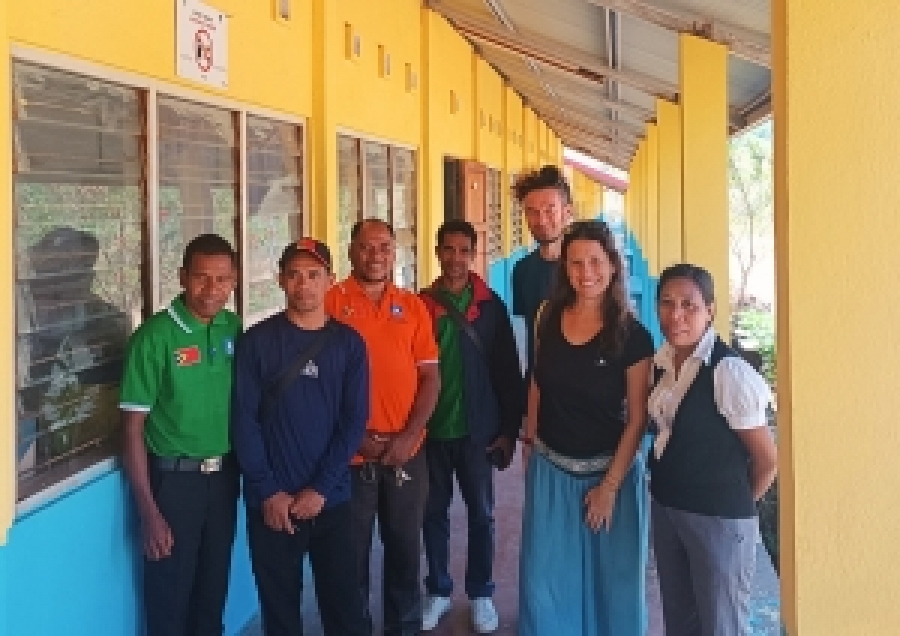
The next day, we met Father Ewaldo, who would take us to visit GTV’s project to improve access to water in Makili. The dirt road climbs up the mountain separating Vila from Makili, at times quite steep. Since there aren’t many means of transportation, Father Ewaldo personally took us on his motorcycle. He is Indonesian, from West Timor, and immediately comes across as a very dynamic person, deeply connected to the community.
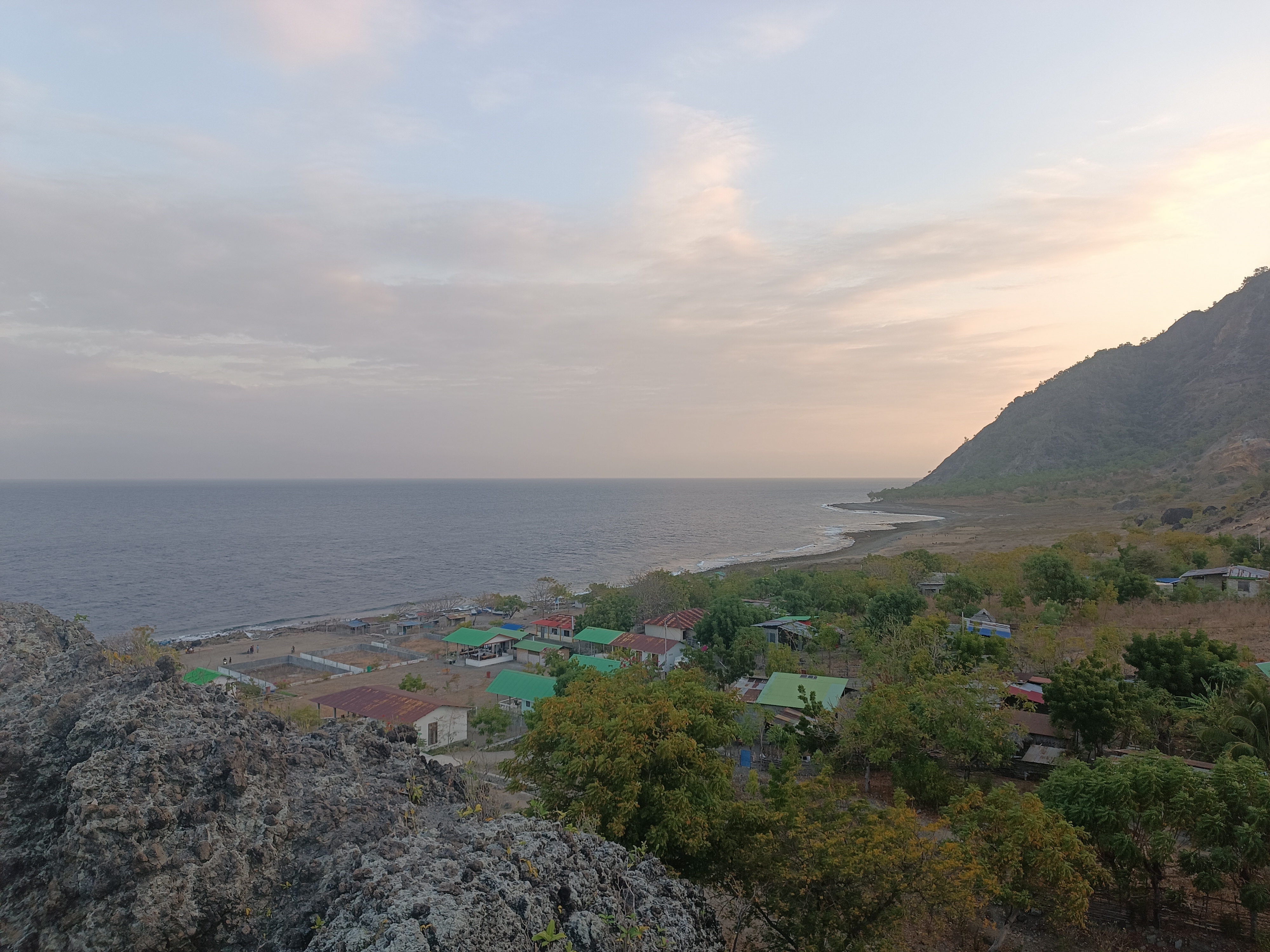
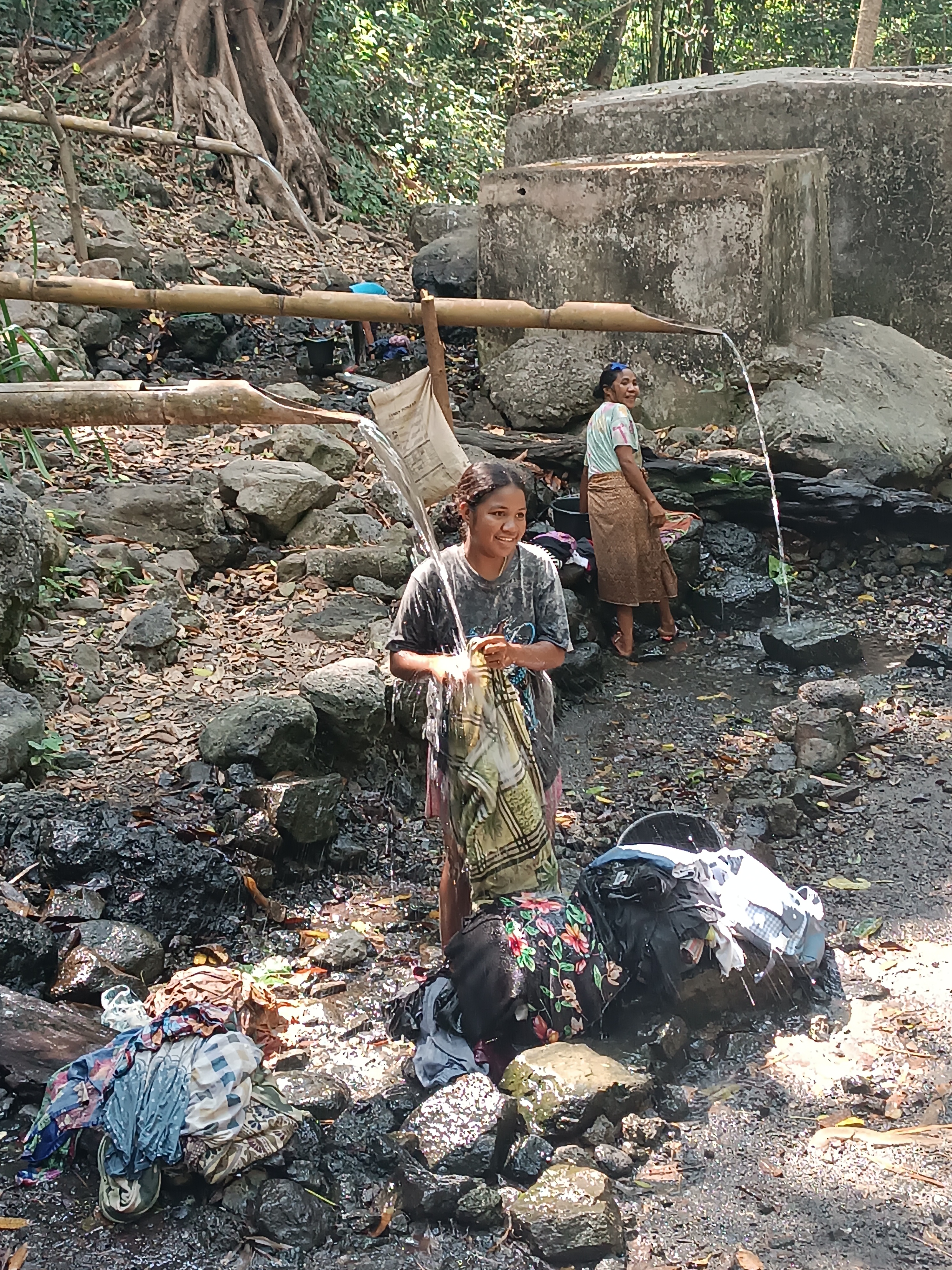
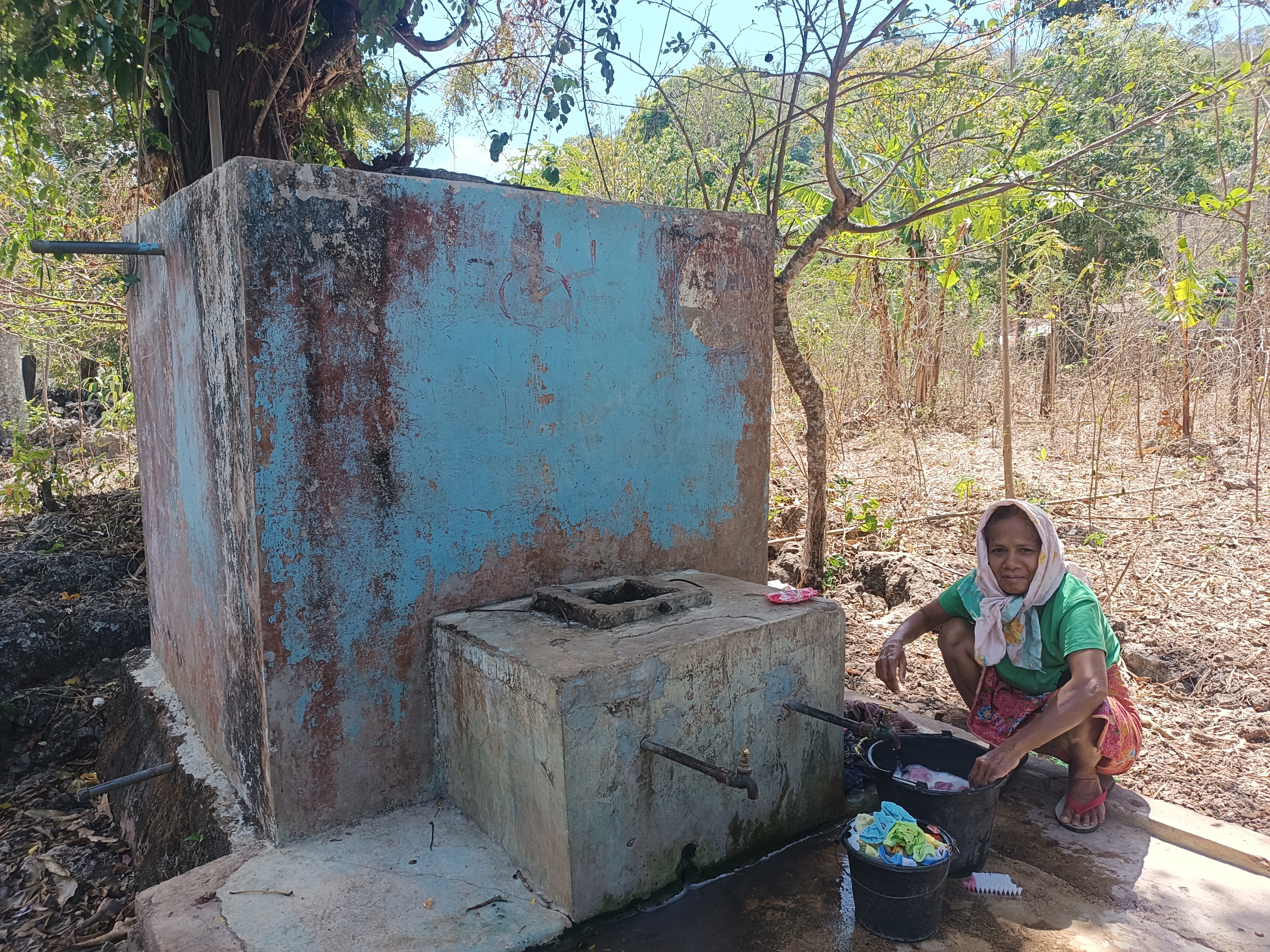
We enjoyed excellent Italian and Timorese food at Dekali, the guesthouse built by Father Luis in the lower part of the village, near the rocky beach, and spent the following day visiting the families who had built the cisterns funded by GTV. Access to water is still uneven. This summer has been particularly rainy, and the springs are still producing a lot of water, but last year was not the same, and for this reason many families tried to build additional cisterns to store more water and to collect rainwater.
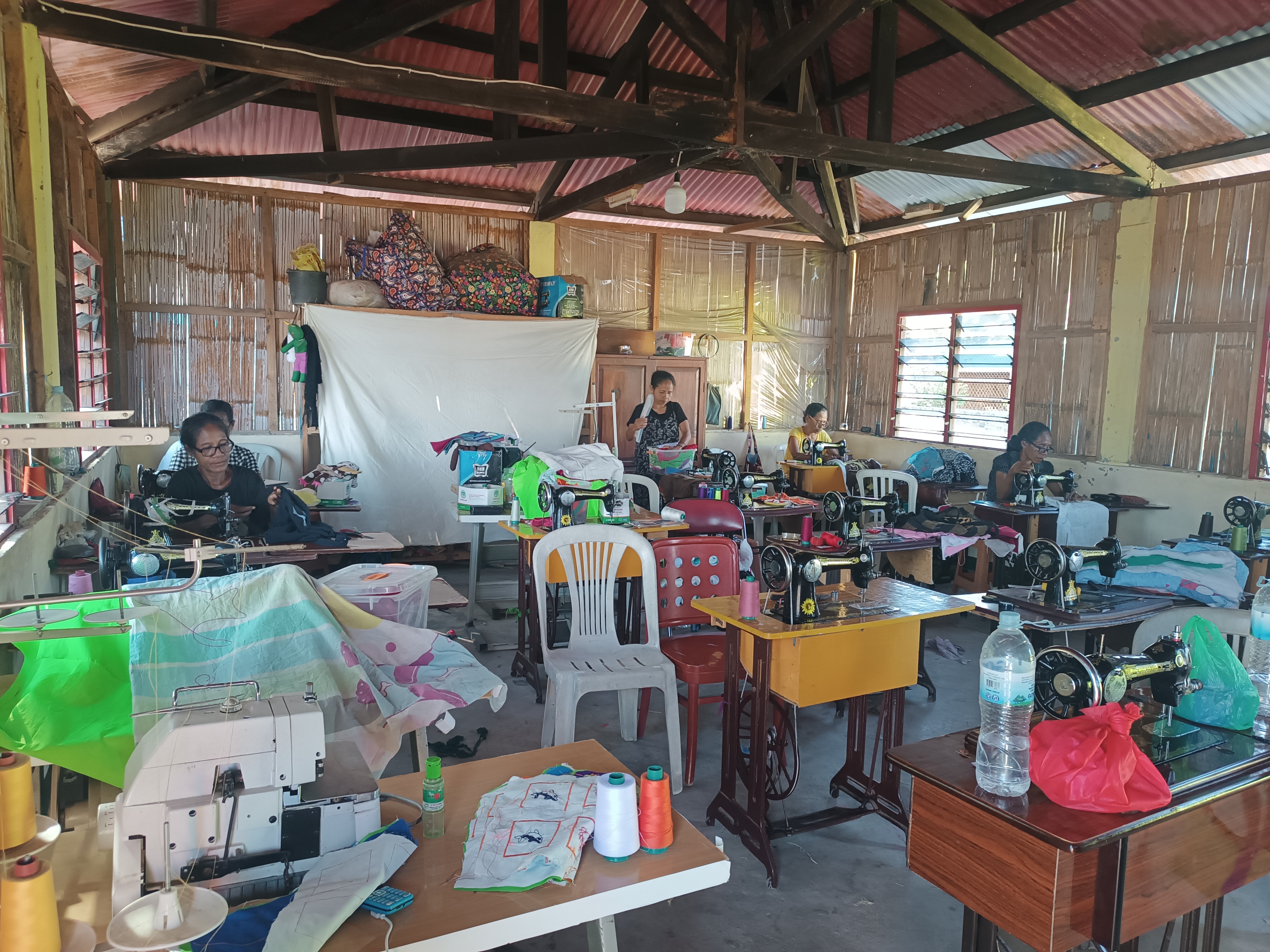
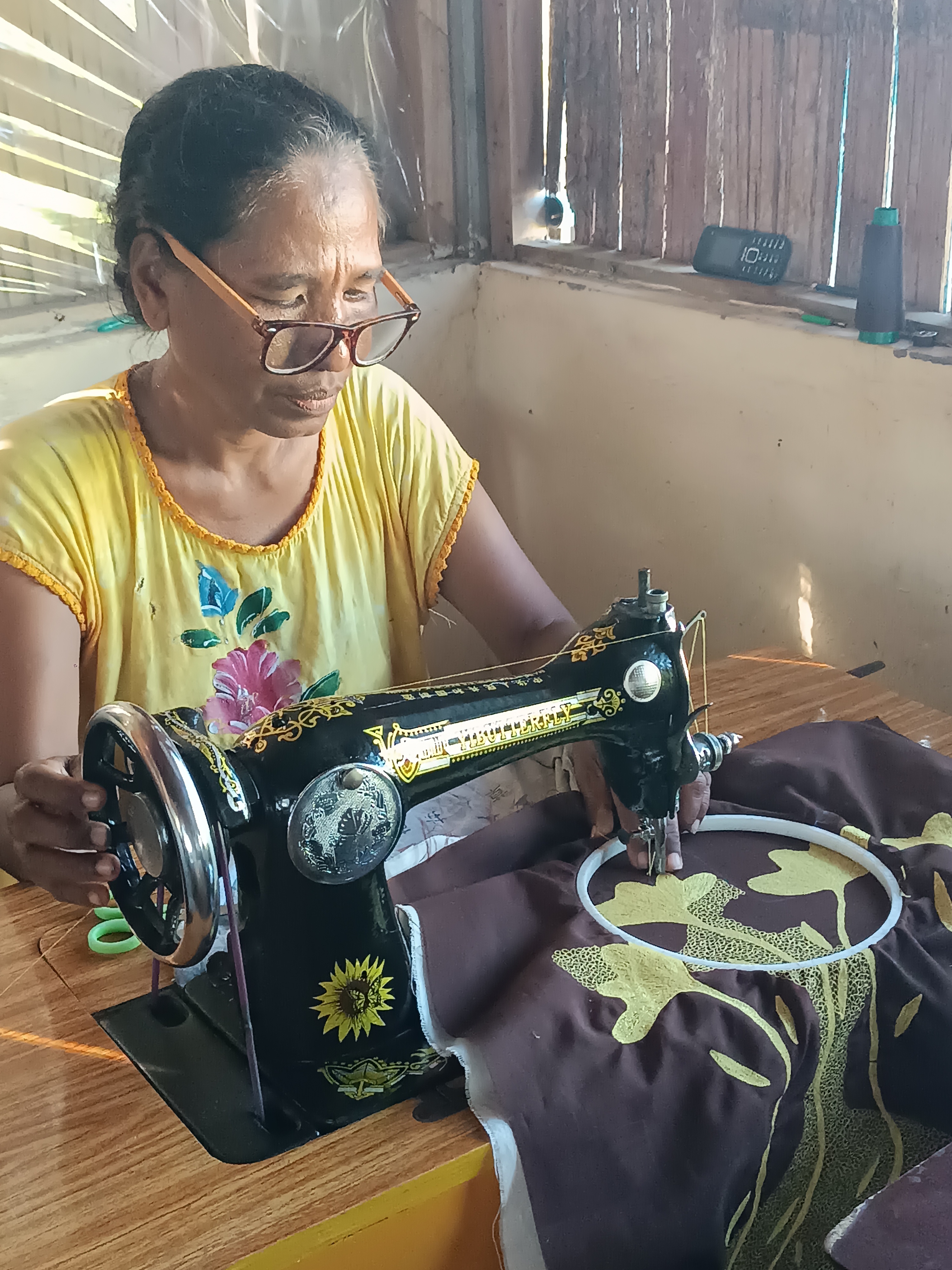
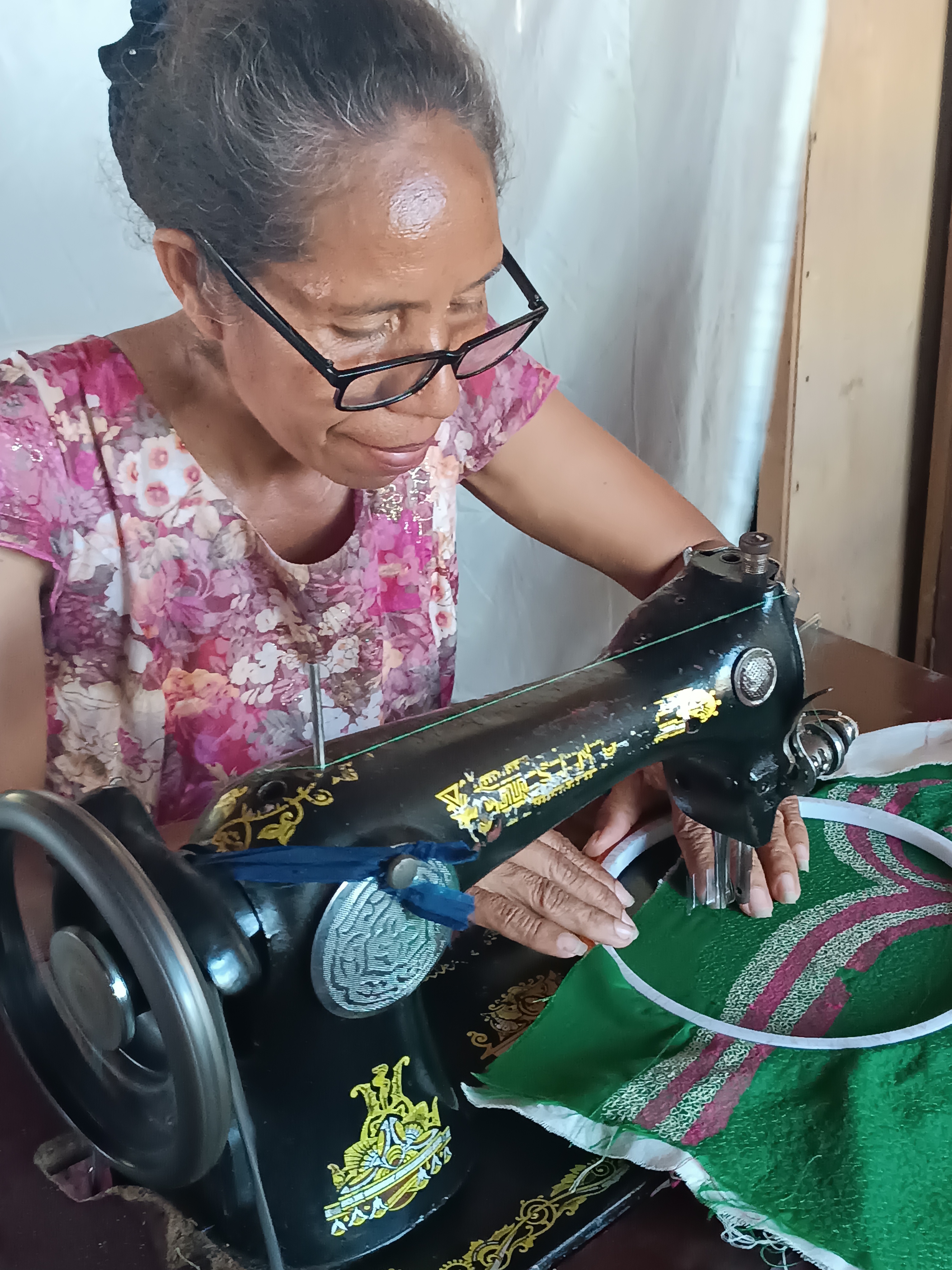
Behind Dekali, there is a building that the fishermen’s cooperative has temporarily lent to the members of the Boneca de Atauro cooperative, founded by Father Chico. Boneca produces textile crafts, initially making dolls dressed in traditional clothing and “tais” fabrics, later expanding to handbags, toys, and laptop bags. It is one of the island’s “excellences,” also known in the capital, but unfortunately, for the past year it has been evicted from the Vila Maumeta premises where it had always worked and welcomed visitors, and is now looking for new spaces. Father Ewaldo showed us the land in front of Dekali that the cooperative received as a donation from the community, but funds are now needed to build the building. We had a long discussion with the president, Virginia, about the details of the structure and the training programs that the members requested, and upon our return, we will prepare a funding request to obtain the necessary resources.
A few days later, we set off for Macadade, the village located on the central plateau of the island, which in the past had hosted many GTV and ASMA (Associazione Santissimi Martiri Anauniesi, Solteri di Trento’s association ) projects, to see what the current situation was like. The road has not improved at all; in fact, the partial paving and ongoing construction make it paradoxically more difficult to travel. It takes almost an hour and a half to cover less than twenty kilometers, and we often have to stop in precarious spots to let trucks descending from the mountain pass. But the discomfort is more than compensated by the beauty of the landscape: the meadows are still very green, and the view of the surrounding sea is truly breathtaking.
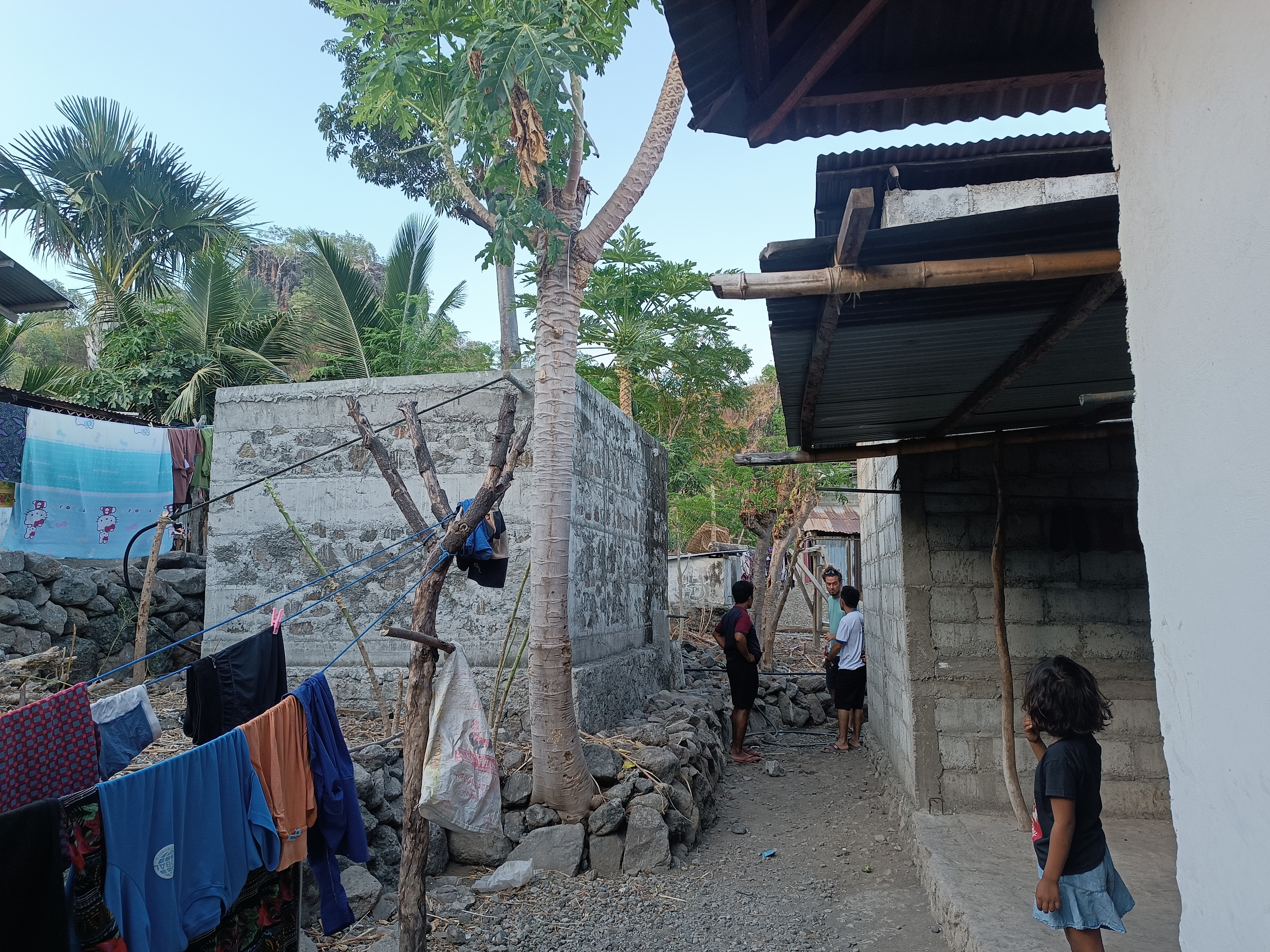
Macadade also seems to have changed little: the same regular grid of streets, the same sleepy pace, among the traditional houses and numerous manleka (typical elevated structures used to store seeds and food safely away from animals), although we notice a few innovations, such as a recently built public health center. We stopped by mana Mena’s house, a local woman who is part of the Varanda Verde group, also founded by Father Chico, which produces herbs and traditional remedies. The group has lost cohesion recently, but she continues the activity independently. Her house was also the place where we used to stay during visits to the projects, and we were delighted to see that she still remembers us a little! The house has actually changed: the one we remembered, built with traditional materials, has been replaced by a more modern brick building. In the yard outside, her husband and son are simmering coconut milk to produce oil.
After having refreshed ourselves, we set off for the village to look for the water cisterns built under the 2008–2009 project as public water supply points. In this area of Atauro, water is very scarce and not sufficient to serve every single household. Therefore, the only practical solution, besides improving and expanding the aqueduct system (from the Abaktia spring), was to extend the network of public fountains where residents can fill their containers. We were pleased to see that all the cisterns we found are still active and in use. Unfortunately, we also noticed other cisterns built by the government that are not functioning.
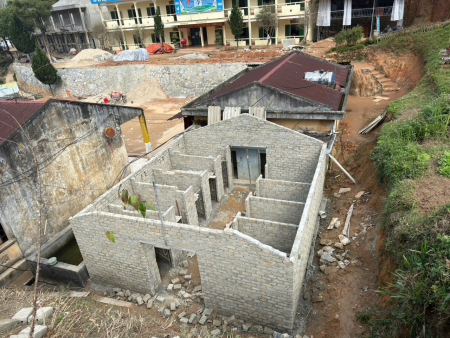
Another important project coordinated by GTV had been the construction of a flush toilet for the Fitun Esperanca kindergarten, located in the village near the Protestant church. However, upon arriving at the site, we realize that the toilet is no longer there: only the concrete base of the latrines remains. We ask one of the teachers, who informs us that the toilet was destroyed by a typhoon two years ago and has not been rebuilt. It is a real shame because the kindergarten is well-functioning, colorful, and welcoming, and even offers a small canteen service.
We then moved on to the village elementary school, where a composting toilet had been built that could be used even in the absence of water. Since the teachers have changed, it takes us a little while to explain what we are looking for, but in the end we find it: it is still used daily, although it is now undersized because the school has expanded in the meantime by building new school buildings, teachers’ dormitories, and a canteen, and the number of users has, fortunately, increased.
Back in Makili, it’s time to meet again with Father Daniel, the coordinator of the Piarist Fathers community and the contact person for the project funded by GTV and the Trentino-Alto Adige Region for dengue prevention. Father Daniel is Spanish, trained as a biologist, and has a very precise and scientific approach to the subject. Over the past months, together with local volunteers and university students, he has mapped the areas with the highest mosquito concentrations in the community and conducted training and awareness activities to teach the community how to protect themselves. Usually based in Dili, Father Daniel is currently in Makili to provide training to local volunteers who will carry out fumigation activities in the highest-risk areas using the tools provided by the project. A specific procedure must be followed, which naturally includes the use of protective equipment to guard against chemicals, as well as close coordination with the local health center. The dengue season coincides with the rainy season, which begins in November, making this the ideal time to conduct the training.
The project is highly significant because healthcare on the island is very limited, and prevention is the best strategy to save lives. Even simply moving from one village to another is challenging, often requiring hours of walking along hills and mountains, or along the cliffs at low tide. In more serious cases, patients need to be evacuated to Dili, as local health centers only provide basic medical services. A sad indicator of this situation can be seen by visiting one of the local cemeteries, where the dates on the gravestones reveal how many people die prematurely, and even in childhood.
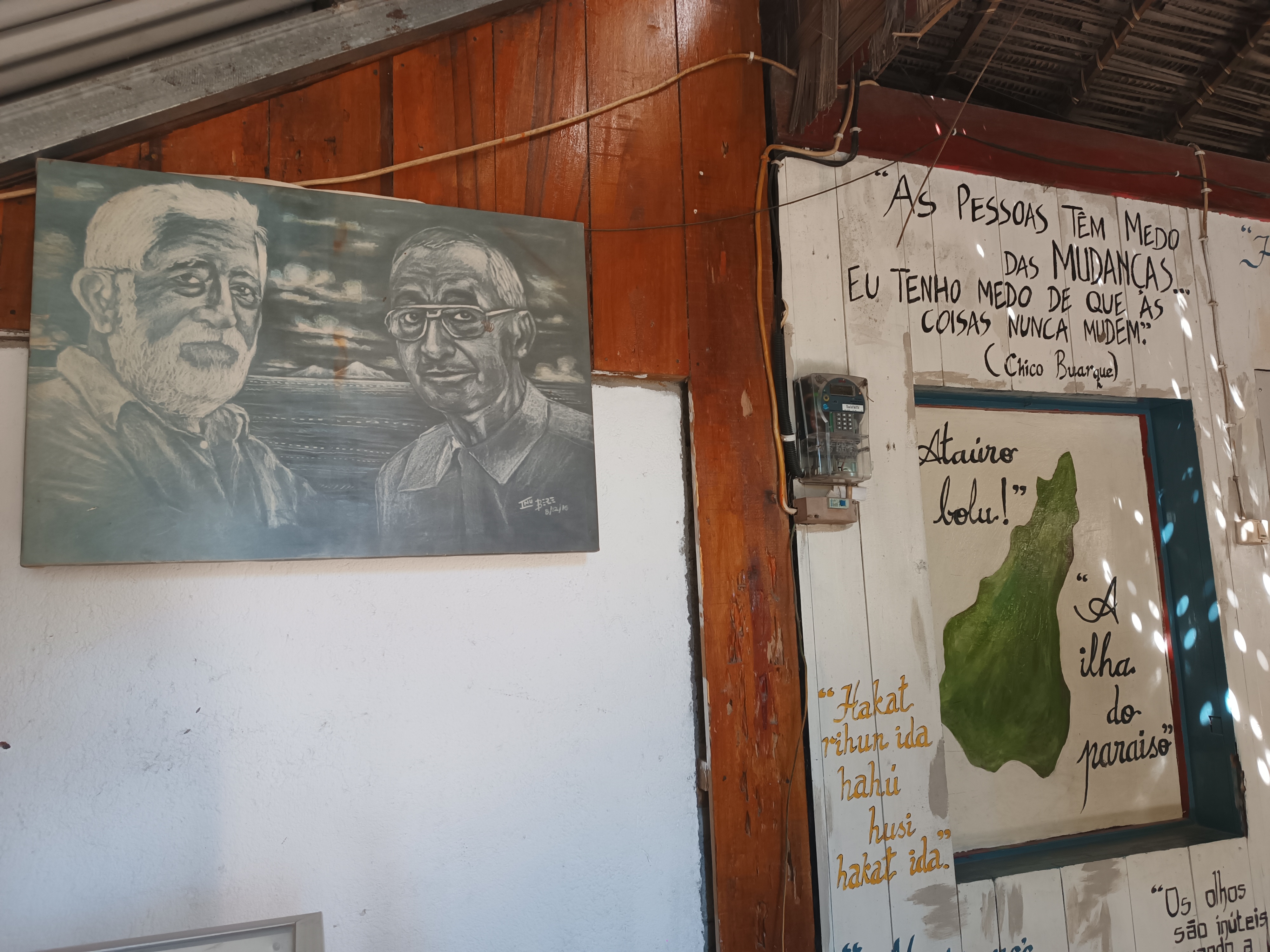
Yet life on Atauro also has its simple joys, such as the beautiful sea with stunning coral reefs, recently formally protected by the government through the establishment of Protected Areas, the green mountains, and the occasional birthday celebration of the village priest, which becomes an opportunity for young people to gather, as they otherwise have few recreational options. Most of all, it is striking to see how the memory of Father Chico and Father Luis continues to live on in the community, even many years after they no longer reside there. This is evident in paintings in Manucoco and Makili that depict them or quote their sayings, in the detailed stories of the elderly Portuguese teacher who recounts all that Father Chico did for the community, and in the eyes of José, who as a child followed Father Chico in his activities and now wishes to become a priest himself to dedicate his life to helping the community. Their greatest legacy is undoubtedly represented by their projects, which continue to support the communities even in their physical absence.
Galleria immagini

https://gtvonline.org/it/comunicazione/news/item/1398-luca-and-laura-s-mission-rediscovering-atauro-island-east-timor.html#sigProId5742c876fd