Typhoons Ragasa, Bualoi and Matmo strike Northern Vietnam: impacts in Tuyen Quang province
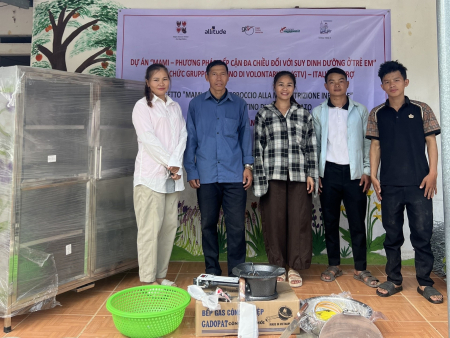
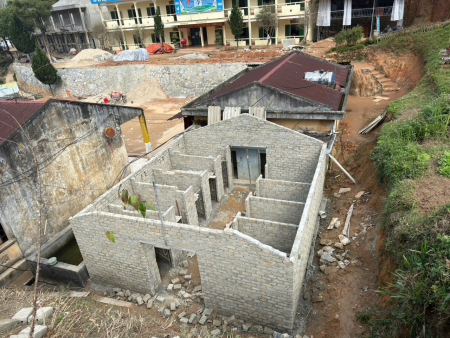
Dic 10 2025Between May and September, Vietnam’s climate is traditionally marked by heavy rains. However, in recent years, the country has been increasingly exposed to a worrying rise in extreme weather events, a direct consequence of climate change. Just one year ago, Typhoon Yagi had created an emergency situation. In response to the damage caused to the homes and schools of the supported communities, GTV decided to intervene through the project “Response to the climate emergency and Typhoon YAGI in Xin Man District”.
In recent months, the situation has proven even more concerning than the previous year, as also acknowledged in the recently updated version of Vietnam’s National Adaptation Plan (NAP), drafted by the Ministry of Agriculture and Environment and submitted to the UN Framework Convention on Climate Change (UNFCCC). The document highlights the increasing anomaly of tropical storms and depressions affecting the country, as well as increasingly irregular rainfall and a high frequency and unpredictability of extreme weather events.
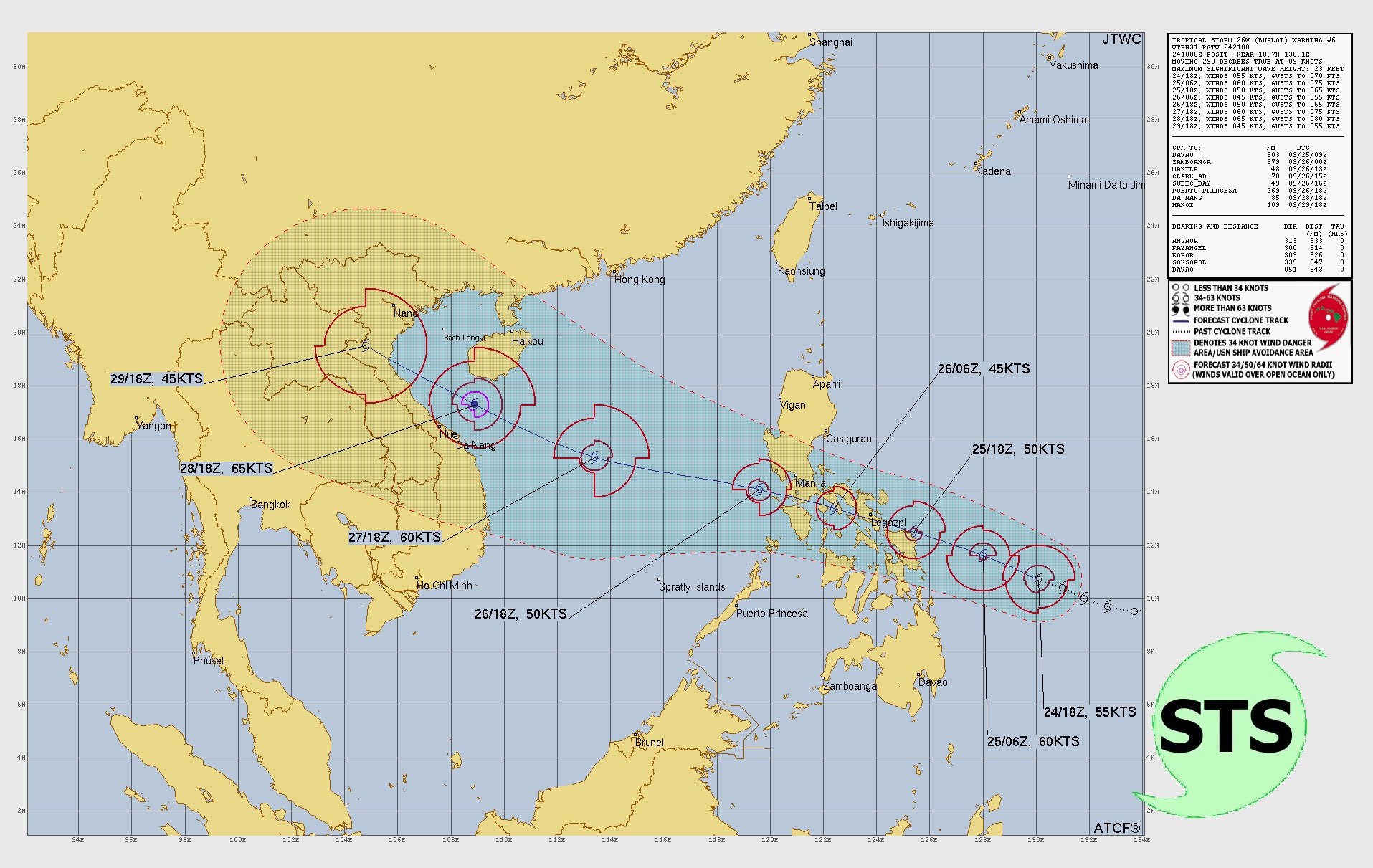
Between September 22nd and October 3rd 2025, three typhoons – Ragasa, Bualoi and Matmo — severely hit northern and central Vietnam, reaching unprecedented intensity according to the National Centre for Hydro-Meteorological Forecasting (NCHMF). Ragasa, classified as the world’s most powerful typhoon in 2025, was followed by Bualoi, which brought torrential rains from northern Vietnam down to Huế. Finally, Matmo, though weakened after passing through China, caused serious flooding in northern mountain areas and in Hanoi. The impact of these three typhoons has been devastating for the population, infrastructure and livelihoods.
According to Deputy Minister of Agriculture and Environment Nguyen Hoang Hiep, Vietnam faced 20 different types of natural disasters in 2025. Although forecasts estimated 13 storms, with 5-7 expected to directly strike the country, 11 typhoons have already formed, six of which had direct impacts on national territory, leading to severe and widespread consequences.
Since the beginning of the year, natural disasters have caused 238 deaths or missing persons, 367 injuries, damage to over 258,000 homes and losses across 555,000 hectares of rice fields and crops. Economic damage is estimated at 33.5 trillion VND, about 1.37 billion USD, a considerable increase compared to the same period in 2024. Typhoon Matmo alone caused at least 15 deaths or missing persons and flooded 16,900 homes.
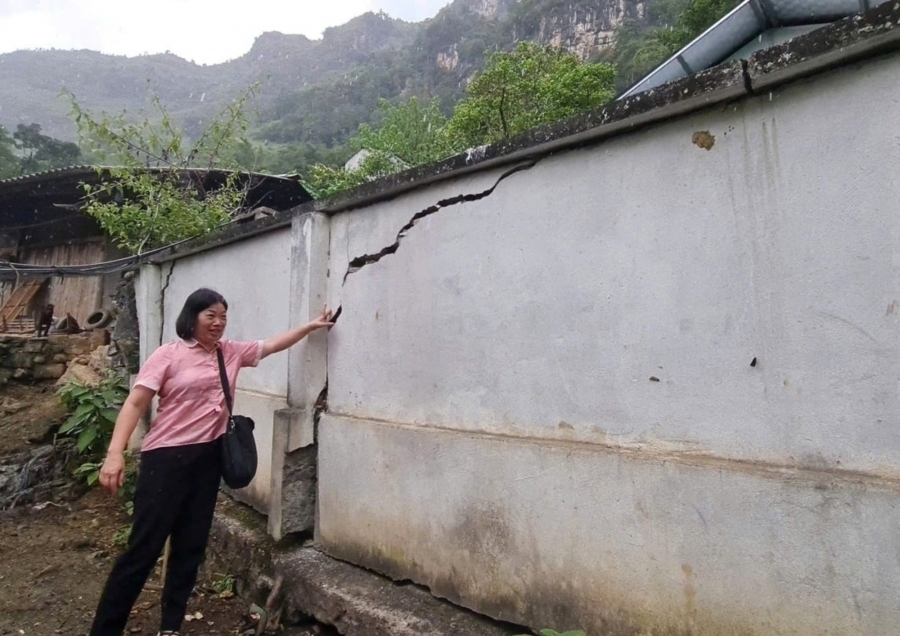
The situation is particularly severe in the mountainous province of Tuyên Quang, where GTV operates. Already affected in previous years and once again devastated this year, local authorities have declared a very high risk of landslides, soil slips and ground collapses due to the persistent rainfall caused by Typhoon Matmo. These events threaten people’s lives, the environment, infrastructure and the regular functioning of local economic activities.
- Agriculture and livestock: 9,000 hectares of rice fields, maize and other crops were submerged; around 1,000 livestock and 24,000 birds were swept away, as well as 1,000 hectares of aquaculture ponds and over 150 fish cages.
- Infrastructure: nearly 900 landslides blocked numerous roads with more than 1.3 million m³ of displaced soil; many irrigation systems, schools, health stations, electricity and telecommunications networks have been paralyzed.
- Damage to the local population: thousands of families are currently without shelter, food, drinking water, medicine and essential goods.
- Education: hundreds of schools have been seriously damaged, and thousands of students urgently need clothes, school supplies, blankets and beds in order to resume their lives and studies in dignified conditions.
The Xin Man District area was also heavily hit by Typhoon Bualoi. Local authorities assessed the damage as follows:
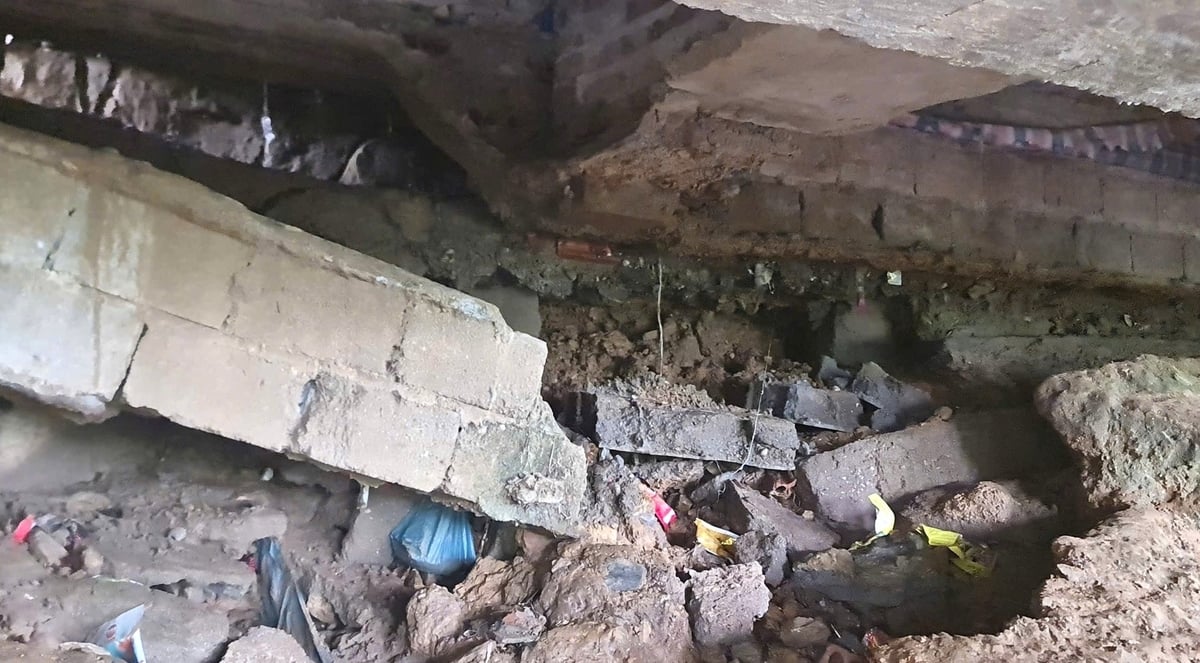
- Homes: 61 houses damaged across 21 villages, 5 of which were evacuated urgently due to imminent landslides.
- Agriculture and livestock: 7.55 hectares of crops severely damaged, with losses exceeding 70% before harvest; 4 livestock lost; 2 tons of stored grain damaged; 3 buffalo sheds collapsed.
- Infrastructure: 7 electricity and telephone poles knocked down; the collapse of a kitchen wall; 19 communication routes damaged, with over 4,000 meters of cement road compromised and more than 11,000 m³ of landslides; infrastructure damage to 17 public facilities (including schools, irrigation systems, water supply systems and anti-landslide barriers).
GTV maintains an ongoing dialogue with local authorities in the municipalities where it operates, in order to accurately identify the most urgent needs of the area. The organization is actively working to assess intervention priorities and provide support, ensuring timely and effective responses for the affected communities.
Article by Michela Sartori, GTV volunteer
.
Galleria immagini
https://gtvonline.org/it/comunicazione/news/item/1396-typhoons-ragasa-bualoi-and-matmo-strike-northern-vietnam-impacts-in-tuyen-quang-province.html#sigProId24e4469ec3